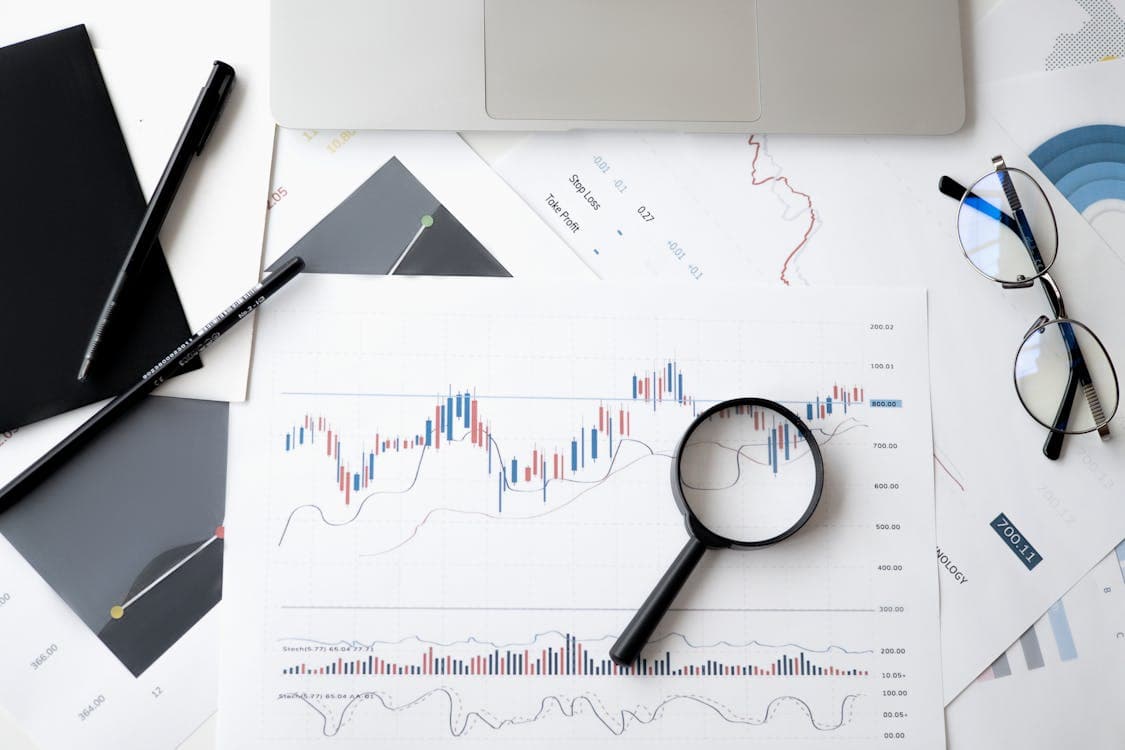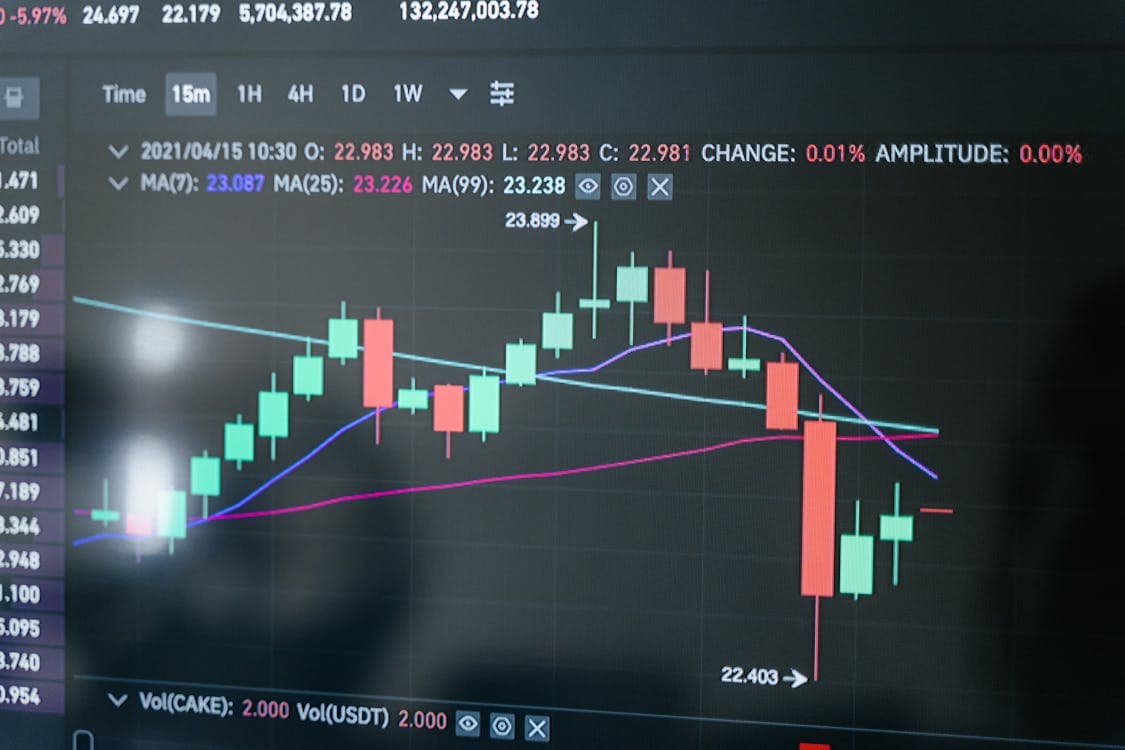

Algorithmic trading — also called algo trading, algorithmic trading, or black-box trading — is the use of computer programs to execute trades based on pre-defined rules. Instead of a human deciding when to buy and sell, an algorithm does it faster, more consistently, and without emotion. Today, algorithmic trading accounts for over 70% of all trading volume in U.S. equities and a growing share of futures markets.
How Does Algorithmic Trading Work?
At its simplest, an algorithm follows an if-then loop: if conditions X, Y, and Z are met, then execute trade A. Those conditions can be based on anything quantifiable:
- Price patterns — Moving average crossovers, breakouts above resistance, candlestick formations
- Technical indicators — RSI, MACD, Bollinger Bands, volume analysis
- Market microstructure — Order flow, bid-ask spread dynamics, market depth
- Statistical models — Mean reversion, momentum, correlation analysis
The algorithm continuously scans market data, checks conditions, and when all criteria align, it sends an order to the exchange — all in milliseconds. No coffee breaks, no second-guessing, no fear.
Who Uses Algorithmic Trading?
Algo trading is no longer reserved for hedge funds and investment banks. Today's landscape includes:
- Institutional traders — Banks, hedge funds, and proprietary trading firms have used algos for decades.
- Retail traders — Platforms like NinjaTrader and services like HEXGO have democratized access, letting individual traders run professional-grade algorithms.
- Prop firms — Funded trading programs increasingly allow and even encourage systematic strategies.
The technology gap between Wall Street and Main Street has narrowed dramatically. Today, a retail trader with a NinjaTrader account and a HEXGO subscription has access to execution quality that was institutional-only a decade ago.
Types of Algorithmic Strategies
There are dozens of algo trading strategies, but most fall into a few categories:
- Trend Following — Buy when the market is going up, sell when it's going down. Simple, effective, and the basis of many profitable algos.
- Mean Reversion — When price deviates too far from its average, bet on a return to the mean. Works best in range-bound markets.
- Scalping — Capture tiny price movements at high frequency. Requires speed and precision — an algorithm's sweet spot.
- Market Making — Provide liquidity by placing simultaneous buy and sell orders. Profits from the bid-ask spread.
Benefits of Algorithmic Trading
Why are traders — from beginners to institutions — increasingly choosing algorithms over manual trading?
- Speed — Algorithms react in milliseconds. Human reaction time is 200+ milliseconds.
- Discipline — The algorithm follows the rules every time. No exceptions, no "gut feelings."
- Backtesting — Test your strategy on years of historical data before risking a single dollar.
- Scalability — Run multiple strategies across multiple markets simultaneously.
- Emotion-free execution — No fear, no greed, no revenge trading.
Getting Started With Algo Trading
You don't need a computer science degree to start algo trading. Here's the simplest path:
- Open a futures trading account with a NinjaTrader-compatible broker
- Install NinjaTrader (free for simulation)
- Subscribe to pre-built algorithms from a provider like HEXGO
- Paper trade to validate performance, then go live
Start with our NinjaTrader setup guide and have your first algorithm running in under 30 minutes. No coding, no complexity — just connect and trade. Visit our algorithmic trading page to learn more about HEXGO's approach to algorithmic futures trading.