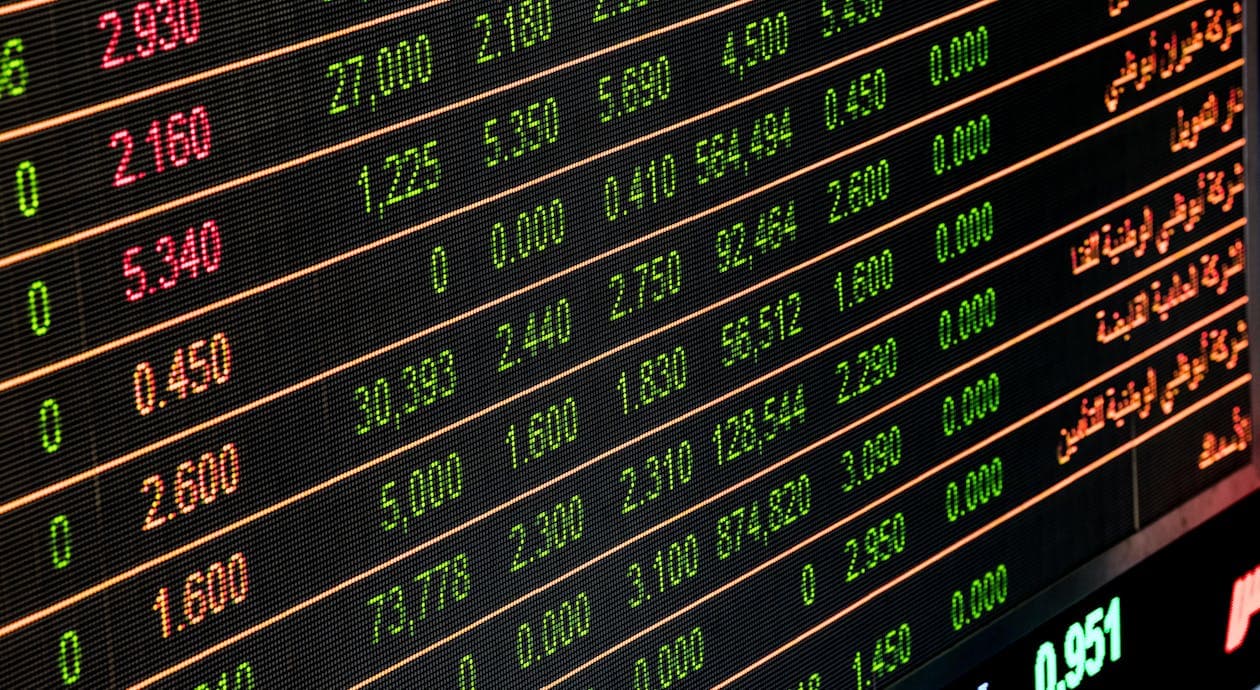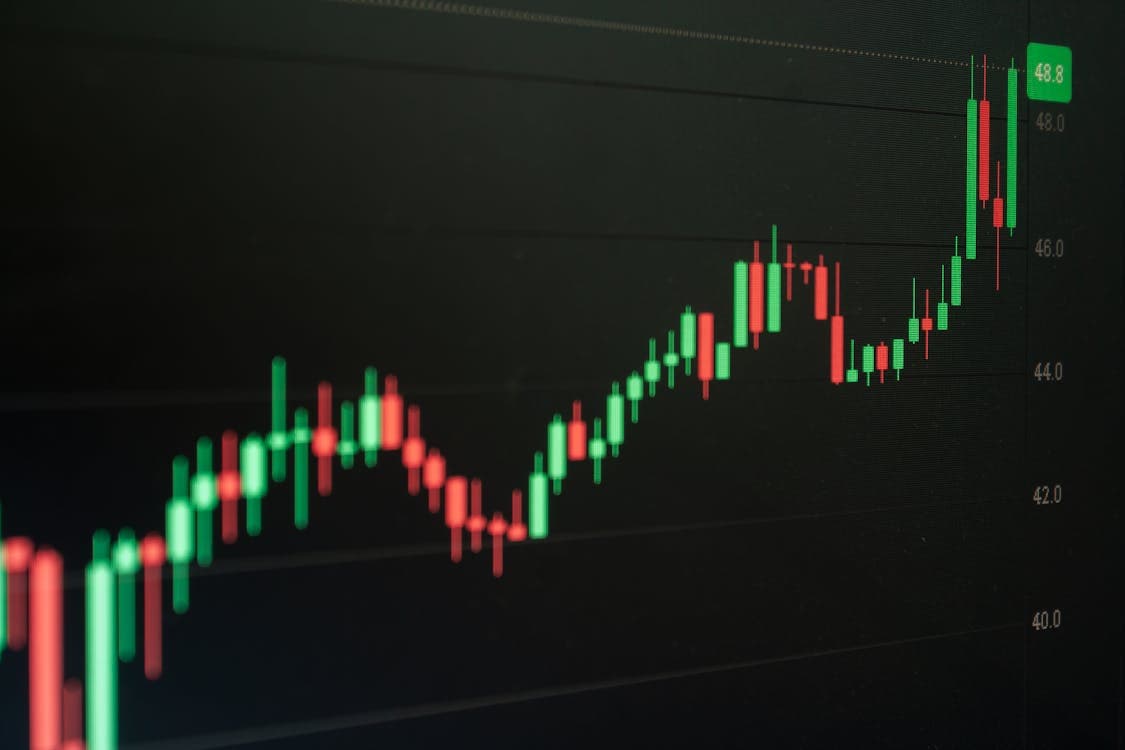

HEXGO's trading algorithms are built on a foundation that most retail traders overlook: market internals. While the majority of traders focus on price action alone, our strategies analyze the underlying health of the market to filter for only the highest-probability trades.
What Are Market Internals?
Market internals are breadth indicators that measure the participation and momentum of individual stocks within an index. They answer a critical question: Is the broad market confirming or contradicting the index price movement? For a deeper explanation, see our guide on understanding TICK, ADD, and VOLD.
The key internals our algorithms monitor include:
- TICK — The net number of stocks trading on an uptick vs. downtick. Extreme readings signal exhaustion or momentum.
- ADD (Advance/Decline) — The net number of advancing vs. declining stocks. Shows breadth participation.
- VOLD (Volume Delta) — The net volume flowing into advancing vs. declining stocks. Reveals where institutional money is moving.
Multi-Index Analysis
HEXGO doesn't just look at one index. Our algorithms simultaneously monitor internals across:
- S&P 500 (ADSPD, TICKSP, VOLSP)
- NASDAQ 100 (ADDNQ, TICKNQ, VOLNQ)
- Dow Jones Industrial (ADDINDU, TICKINDU, VOLINDU)
- Russell 2000 (ADDRL, TICKRL, VOLRL)
- Dow Jones Transport (ADDTRAN, TICKTRAN, VOLTRAN)
When multiple indices confirm the same directional bias, the probability of a successful trade increases dramatically.
The Sync System
Our proprietary "Sync" system monitors correlated instruments (individual stocks like NVDA, AAPL, MSFT, plus real indices like SPX, NDX) to gauge market alignment. When sync indicators align with internals, the algorithm has maximum conviction.
Risk Management
Every trade has predefined stop-loss and take-profit levels. Our algorithms also use dynamic position sizing based on recent volatility and account equity. The goal is consistent, controlled returns — not home runs.
Continuous Optimization
Our team continuously backtests and optimizes the algorithms against years of historical data. Parameters are adjusted for changing market conditions while maintaining the core strategy logic that has proven profitable since 2020. See how we compare to other algorithmic trading solutions.