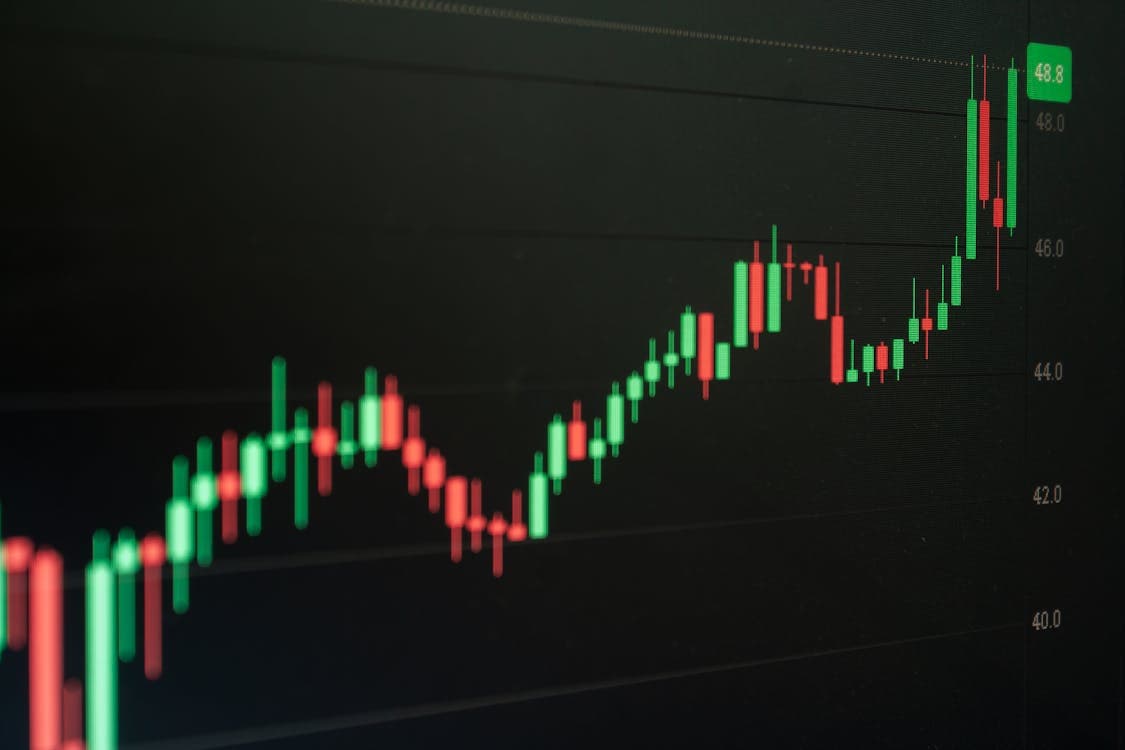

Futures markets trade nearly 24 hours a day, but activity isn't evenly distributed. Understanding when the market moves most — and when it's dead — can dramatically improve your trading results.
The Three Sessions
The futures trading day is divided into three major sessions (all times Eastern):
- Asian Session (6 PM - 2 AM ET) — Lowest volume for US index futures. Markets are thin and spreads can widen. Best avoided unless you're trading Asian markets.
- European Session (2 AM - 9:30 AM ET) — Activity picks up as London opens. The overlap with US pre-market (8-9:30 AM) can produce strong moves.
- US Session (9:30 AM - 4 PM ET) — This is where the action is. 70%+ of daily volume occurs in this window.
Peak Trading Hours
Within the US session, two windows dominate:
- Opening Range (9:30 - 11:00 AM ET) — The highest volume period. Institutional orders flood in, gaps fill or extend, and trends establish. This is prime time for momentum strategies like those in our day trading ES futures strategies guide.
- Closing Hour (3:00 - 4:00 PM ET) — Fund managers adjust positions before the close. Volume spikes again and strong trends often accelerate into the bell.
The lunch hour (12:00 - 2:00 PM ET) is typically the slowest period. Ranges contract, volume drops, and many strategies perform poorly in this chop.
Why Algorithmic Trading Thrives in Off-Hours
One of the biggest advantages of algorithmic trading is capturing opportunities when you're asleep. Overnight moves driven by European economic data, central bank announcements, or geopolitical events can create significant price action. Your strategy trades these moves while you sleep.
HEXGO's Approach
HEXGO algorithms are configured with optimal trading windows based on extensive backtesting. They know when to be aggressive and when to stand aside. Visit our algorithmic trading setup guide to configure your preferred session, and the strategy handles the rest — including the 3 AM surprise move you would have slept through.